Cycling the Balkans: 10 Best Routes From Dubrovnik to Ohrid
Ten Balkan bike routes compared by distance, elevation gain and surface, with the border rules for cyclists and three self-guided tours that move your luggage.
Quick links
Don't want to read all this?
We've planned 800+ cycling trips. Send your dates, fitness and group size — we'll map the route and book every night.


Cycling the Balkans means crossing borders as often as passes. Our Dubrovnik to Podgorica tour rides through four countries in seven riding days, yet no single day is longer than 60 km.
This guide compares ten routes for touring the Balkans by bike, plus 2026 border rules, seasons and costs.
Why Go Cycling in the Balkans
Here the Balkans means the Western Balkans, the former Yugoslav countries plus Albania, not Bulgaria, Greece or Turkey. The ten entries run from Trieste to the Iron Gates of the Danube.
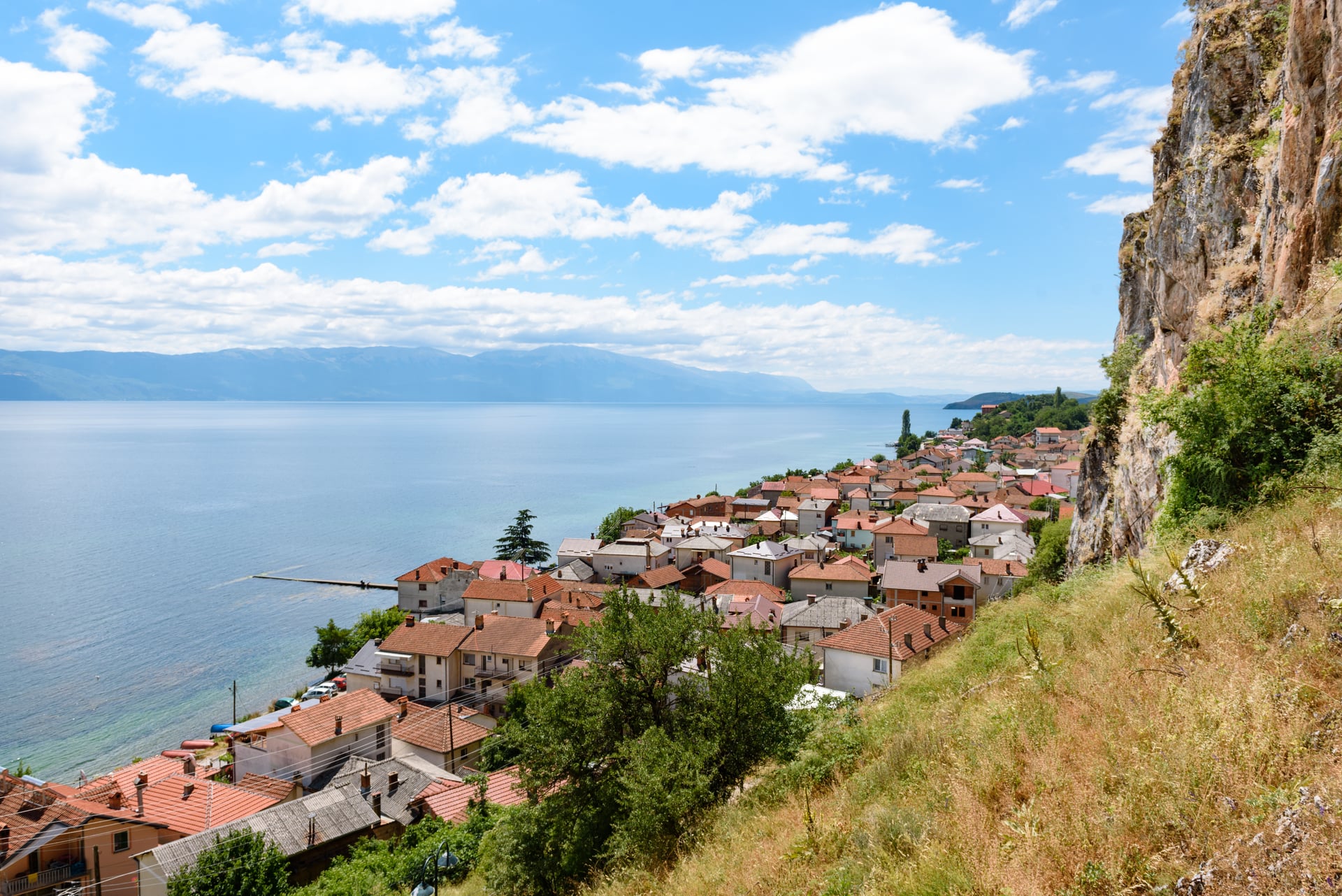
The landscape changes fast: our UNESCO tour starts on Lake Ohrid, one of Europe's oldest lakes, and reaches the Ionian Sea eight riding days and 7,200 m of climbing later, so lake, mountain and sea fit into one week.
New long-distance routes are arriving too. The Trans Dinarica cycle route opened in July 2024 across eight countries, and in June 2026 EuroVelo 21 was announced from Belgrade to Shkodër.
What You Need to Know at a Glance
Routes: ten, from day rides to the 475 km UNESCO crossing; entries 1 to 3 are our tours
Countries: eight, from Italy and Slovenia to Serbia and Albania
Season: April to October, best in May, June and September
Borders: UK visitors need no visa for 90 days; Croatia takes fingerprints at entry
Money: euros in Croatia, Montenegro and Kosovo, local cash elsewhere
Bike: road tyres of 28 mm or wider; gravel for the rail trails
The 10 Best Cycling Routes in the Balkans
These Balkan cycling routes start with our three self-guided tours, then seven you can ride alone, from Montenegro to the Danube and Istria. They are numbered for navigation, not ranked.
The table sets all ten side by side, from the official route sites and our tour data in October 2026. A tilde marks an approximate figure.
Route | Countries | Distance | Elevation gain | Surface | Best for |
Croatia, Bosnia and Herzegovina, Montenegro, Albania | 300 km | 3,080 m | Paved | A first Balkan trip | |
Albania | 230 km | 1,920 m | Asphalt | Trans Dinarica with support | |
North Macedonia, Albania | 475 km | 7,200 m | Paved, ~100 km gravel | Strong riders | |
4. EuroVelo 8 over Lovćen | Montenegro | 33.5 km climb | 1,758 m | Paved | Hairpins |
5. Ćiro Trail | Bosnia and Herzegovina, Croatia | 157 km | 2,383 m | Mostly asphalt | Railway history |
6. Durmitor Ring | Montenegro | 76 km | ~1,700 m | Paved | High mountains |
7. Lake Ohrid and Galičica | North Macedonia, Albania | ~100 km | ~800 m on Galičica | Paved | Lakes and a pass |
8. Mavrovo to Debar | North Macedonia | ~47 km | 6 km climb to ~1,220 m | Paved | Quiet park roads |
9. Iron Gates | Serbia | ~115 km | Low, along the river | Paved | A river ride |
10. Parenzana | Italy, Slovenia, Croatia | 123 km | High point 293 m | Gravel and asphalt | Families |
Entries 1 to 3 are self-guided. The hotels, luggage and route app come with each Balkans cycling tour, and the two Albanian tours add a support driver. Entries 4 to 10 you plan yourself.
1. Dubrovnik to Podgorica via the Bay of Kotor and Lake Shkodër
Distance: 300 km, 3,080 m of climbing, 25 to 60 km a day
Duration: 9 days, 7 riding
Route: Dubrovnik, Trebinje, Herceg Novi, Kotor, Budva, Bar, Shkodër, Podgorica
Surface: paved, with an old railway line into Herceg Novi
Difficulty: 3/5, 220 to 690 m of climbing a day
Best for: a first trip, four countries in a week
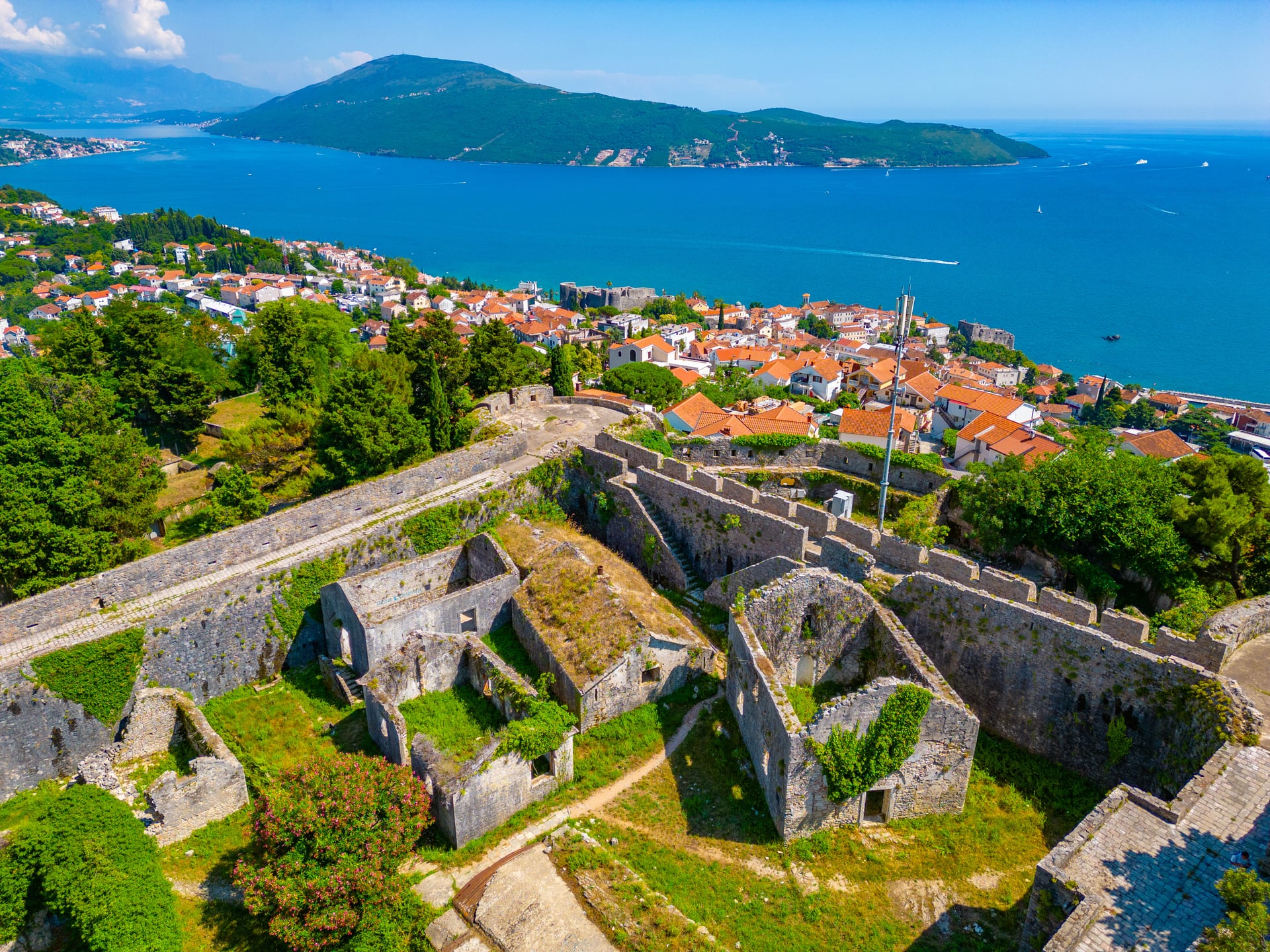
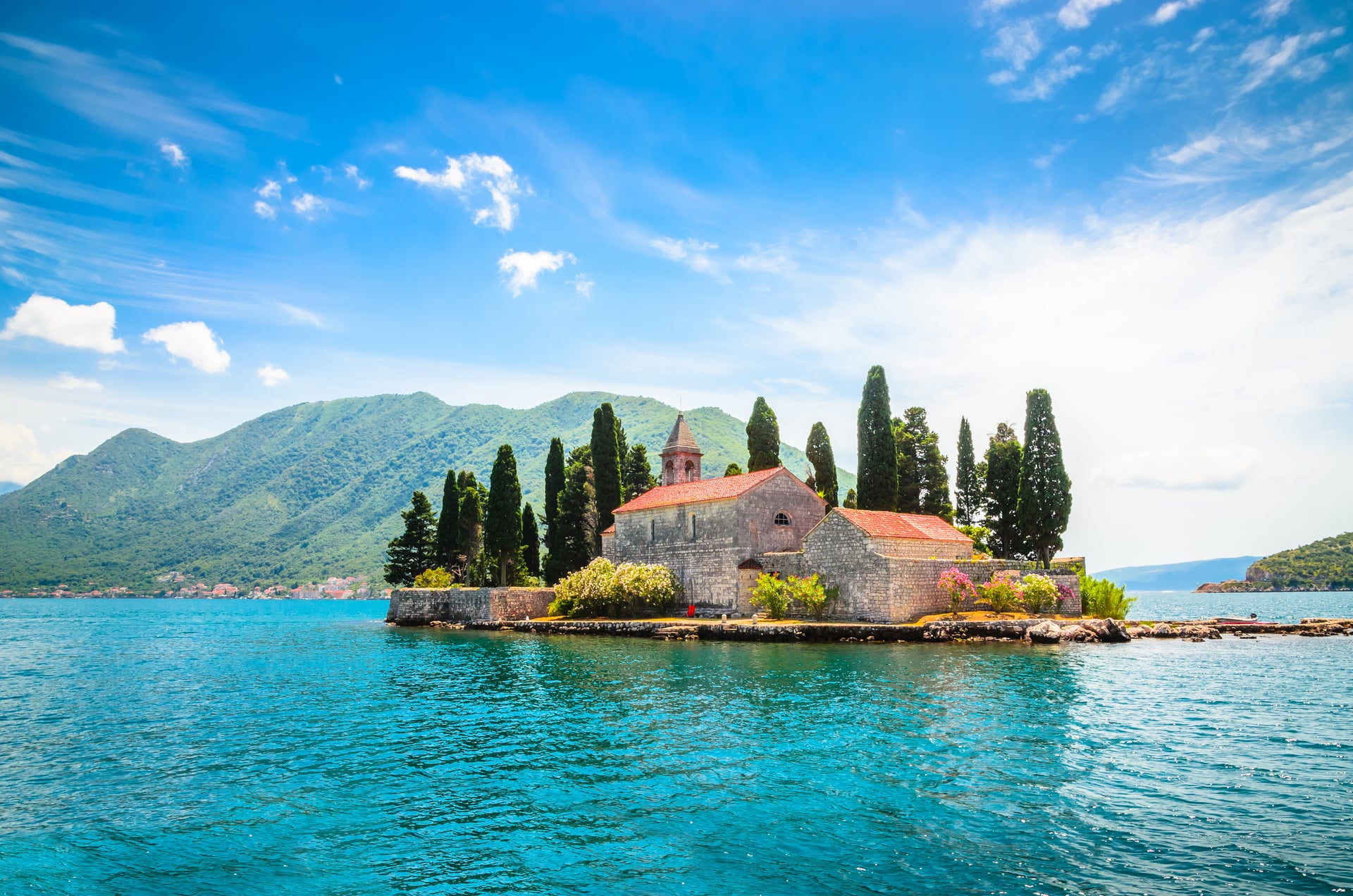
Day 2 climbs over the Ivanica border into Bosnia and Herzegovina, 35 km and 560 m to Trebinje. Day 3 crosses Croatia's Konavle valley into Montenegro and ends on an old railway line into Herceg Novi. Day 4 rounds the inner bay through Perast to Kotor.
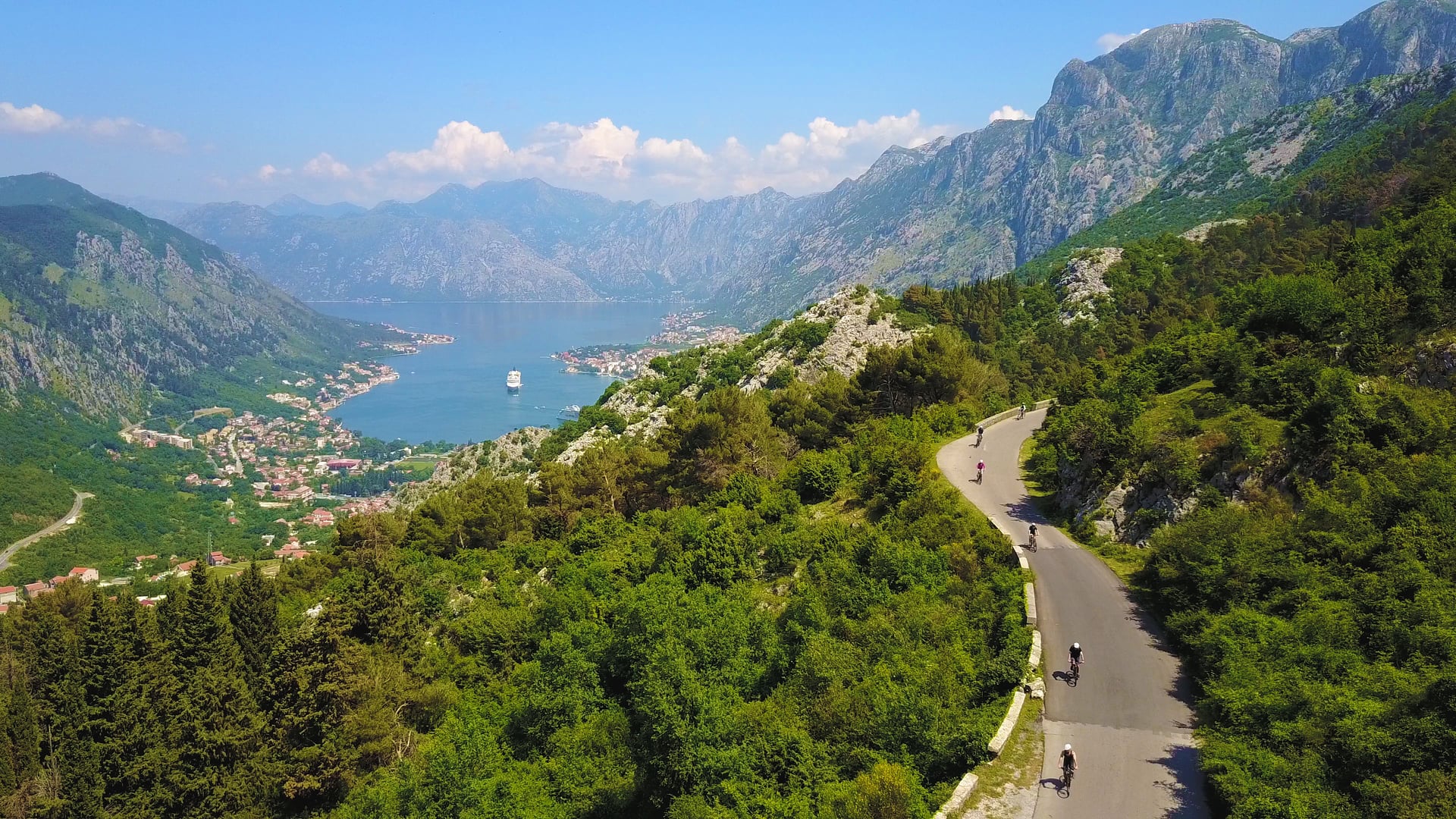
Kotor to Budva is the short day, 25 km over the Trojica saddle. Day 6 runs above the sea to Bar and its Mirovica olive tree, believed to be over 2,000 years old. You cross a border on four riding days out of seven.
Map
The last two days loop through Albania round Lake Shkodër, 50 km to Shkodër and 60 km to Podgorica. Cycle the Balkans books 3-star hotels and moves your luggage, but has no support driver.
2. The Trans Dinarica Through Albania: Tamarë to Elbasan
Distance: 230 km, 1,920 m of climbing, 50 to 65 km a day
Duration: 6 days, 4 riding
Route: Tamarë, Shkodër, Laç, Tirana, Elbasan
Surface: asphalt; the official Albanian section is 97% paved
Difficulty: 3/5, with an 850 m climb on the last day
Best for: a supported taste of the Trans Dinarica
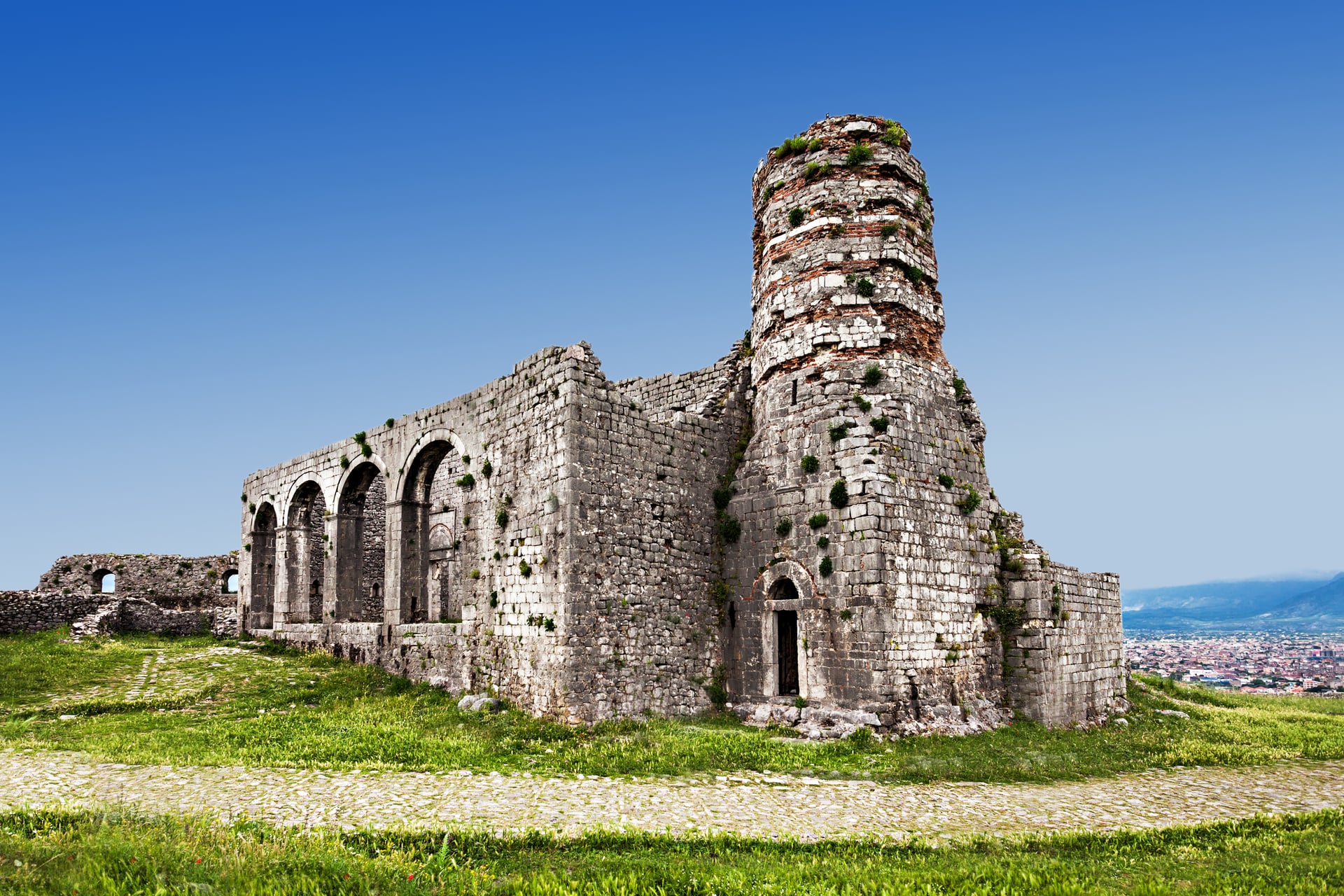
Albania's part of the Trans Dinarica is 575 km in 11 stages, and this tour rides a 230 km slice with a support driver. The full route opened on 31 July 2024, crosses eight countries and is 81% paved.
Tamarë sits in the Albanian Alps near Montenegro, and day 2 climbs 750 m and descends 1,000 m to Shkodër. Days 3 and 4 cross the plain past Lezhë into Tirana, and the 850 m climb comes on the last day before Elbasan.
Map
The Trans Dinarica tour includes transfers from and to Tirana and, with four riding days, is the shortest of our three.
3. Lake Ohrid to the Ionian Sea: The UNESCO Route Through Albania
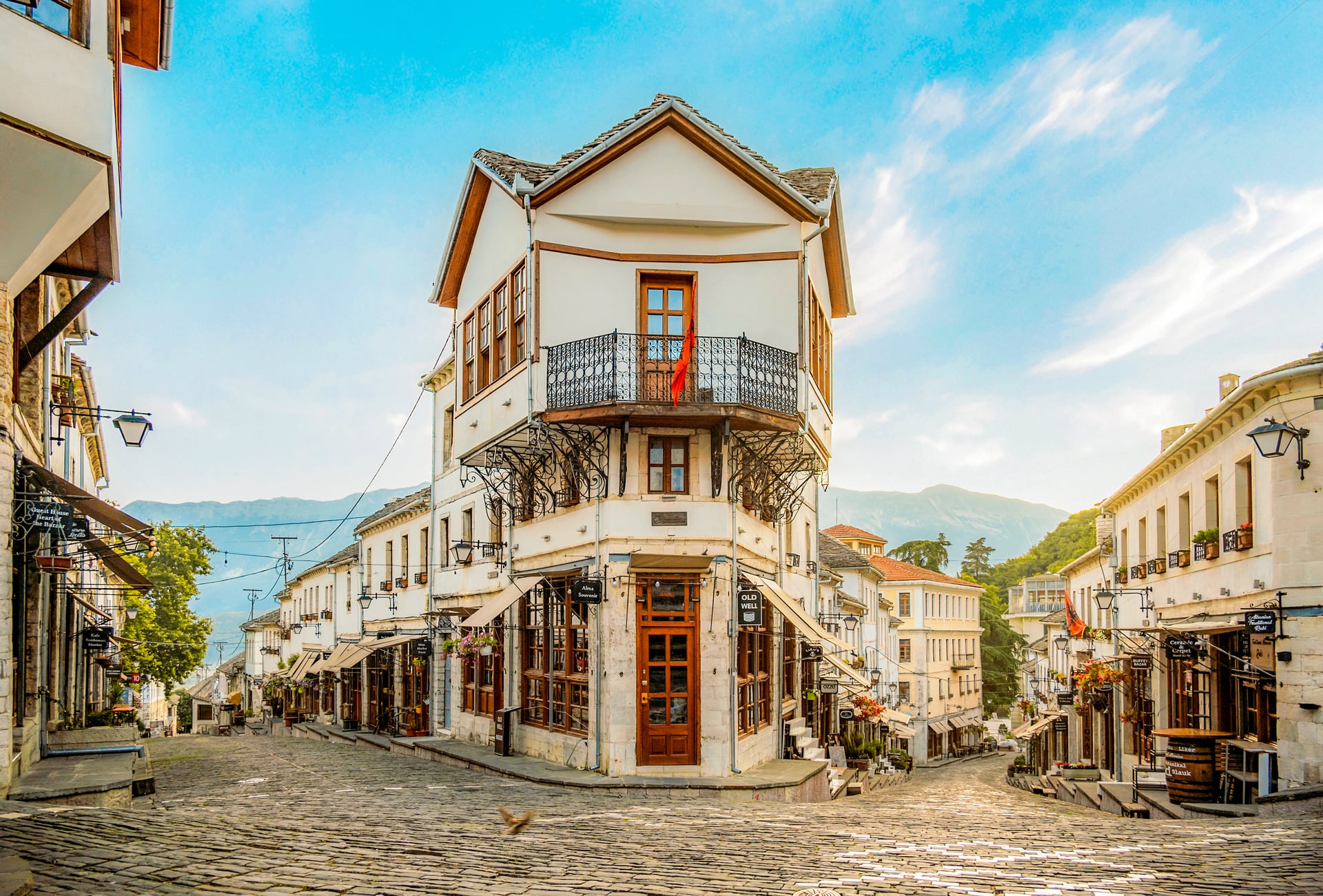
Distance: 475 km, 7,200 m of climbing, 20 to 130 km a day
Duration: 10 days, 8 riding
Route: Struga, Pogradec, Korçë, Dardhë, Përmet, Gjirokastër, Sarandë, Himarë, Vlorë
Surface: paved, with about 100 km of gravel
Difficulty: 5/5, four days over 700 m of climbing
Best for: strong riders wanting mountains and sea
Struga, on Lake Ohrid's North Macedonian shore, is the start, and day 2 enters Albania after about 15 km. After Korçë the road climbs 740 m to the stone village of Dardhë. Day 5 is the one to train for: 130 km and 2,000 m of climbing to Përmet.
Gjirokastër and Butrint, both UNESCO sites, come on days 6 and 7. The last day climbs 1,700 m over the Llogara pass on the old road rather than through the new tunnel, then drops to Vlorë.
Map
The UNESCO cycling tour includes driver support and the Tirana transfers. The Theth valley and the Koman ferry, two more regions for cycling in Albania, are not on this route.
4. EuroVelo 8 Over the Kotor Serpentine to Lake Skadar
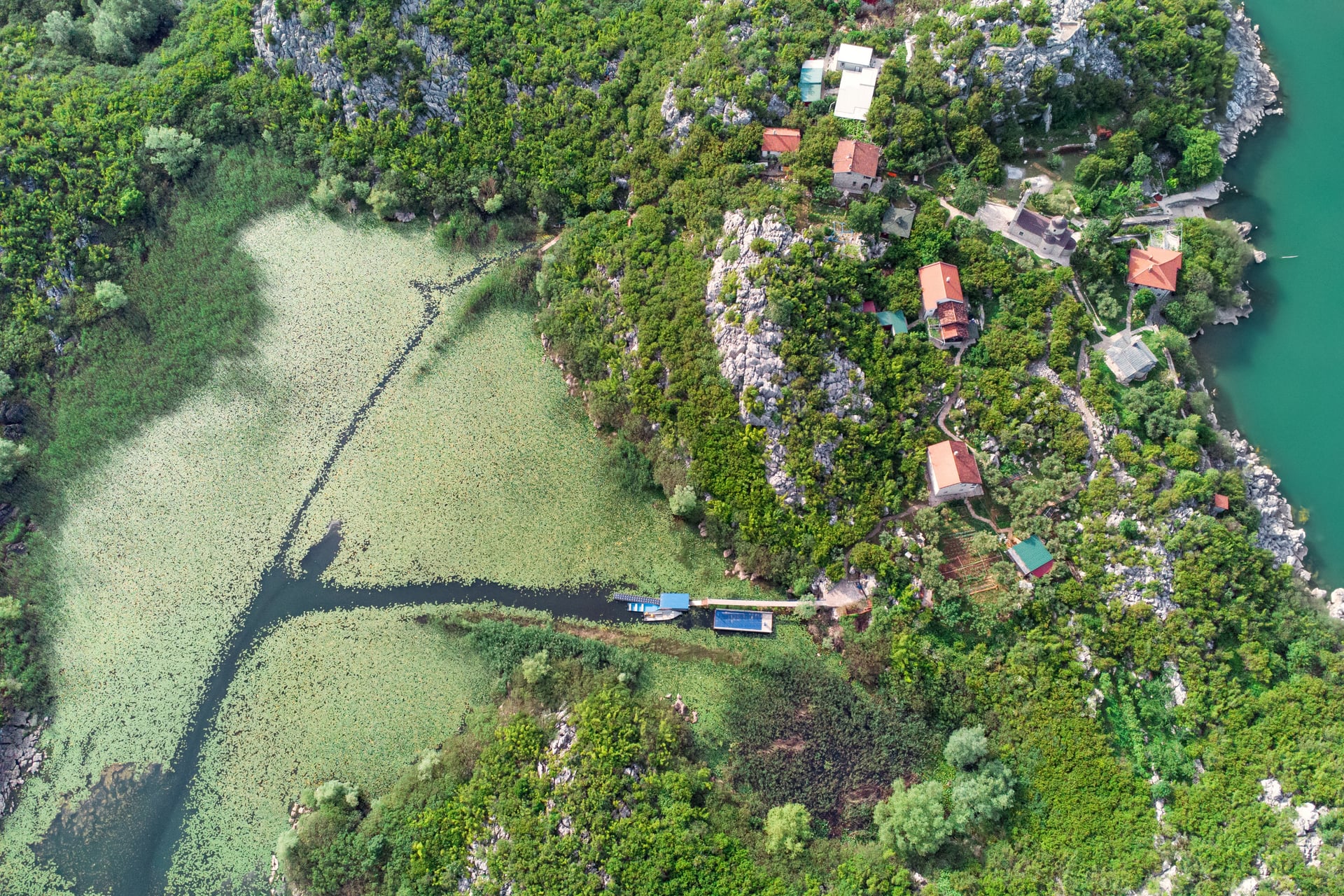
Distance: the Lovćen climb from Kotor is 33.5 km
Route: Herceg Novi, Kotor, Lovćen, Lake Skadar, Sukobin
Surface: paved
Difficulty: hard, 1,758 m up to the Njegoš Mausoleum
Our tour: entry 1 rides the same bay to Kotor
EuroVelo 8, the Mediterranean Route, runs 7,350 km through 10 countries. Its Montenegrin line passes Herceg Novi, Tivat and Kotor, then the Lovćen and Lake Skadar national parks. Above Kotor, the 1884 serpentine packs 17 hairpins into 7.9 km, the classic climb for cycling in Montenegro.
EuroVelo 8 through the Balkans also follows the Croatian coast from Istria to Dubrovnik and crosses Albania to the Ionian Sea. Albania has no EuroVelo coordinator yet, so there it uses main roads.
5. The Ćiro Trail: Mostar to Dubrovnik on the Old Railway
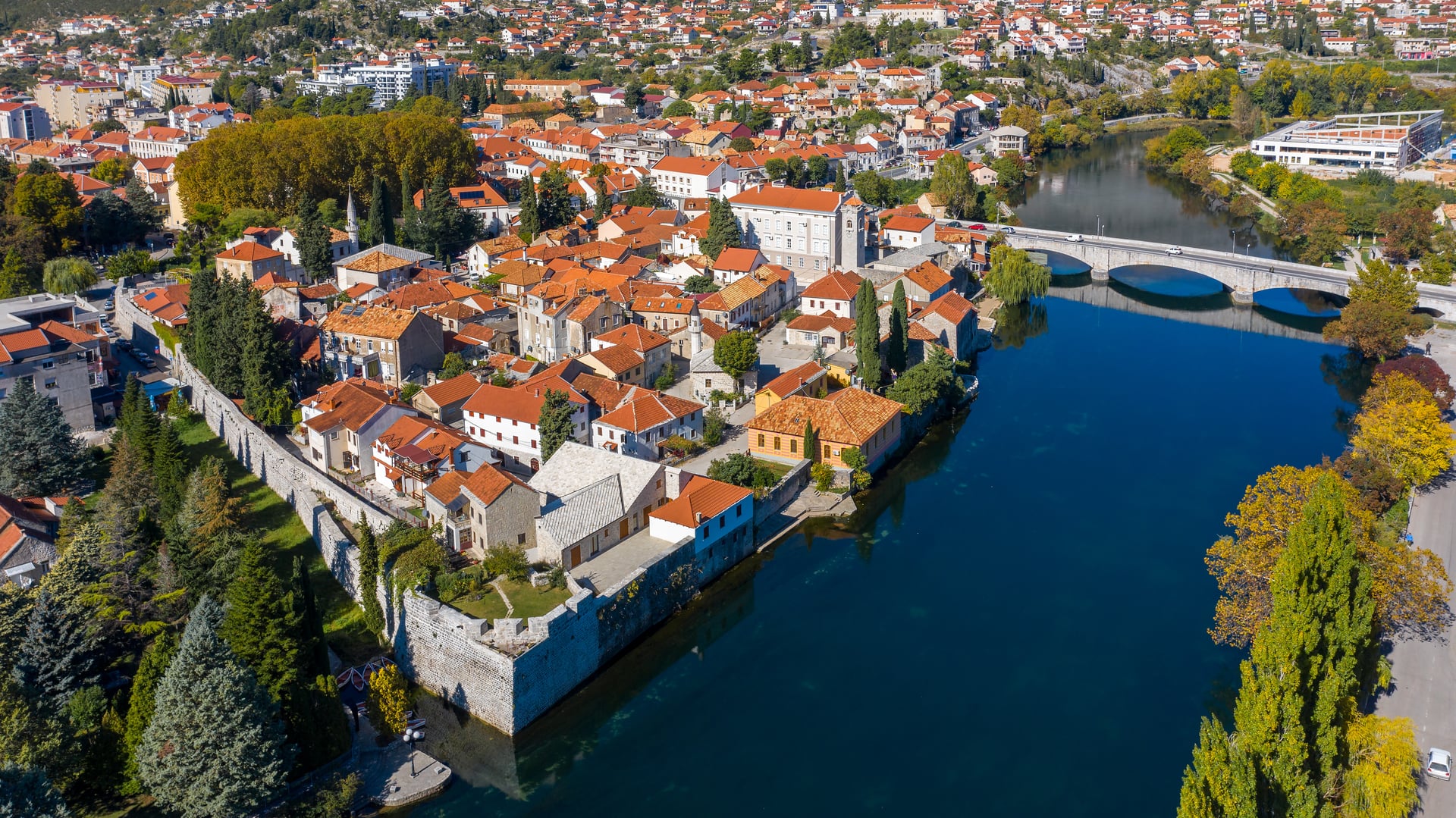
Distance: 157 km, 2,383 m of climbing
Route: Mostar, Čapljina, Ravno, Zavala, Ivanica, Dubrovnik
Surface: asphalt, with short unpaved sections
Difficulty: moderate; Čapljina to Ravno climbs 938 m in 60 km
Our tour: entry 1 uses the same Ivanica crossing
Narrow-gauge trains nicknamed Ćiro ran from Mostar to Dubrovnik from 1901 until the mid-1970s. After its bridges were removed, the line was rebuilt as the Ćiro Trail, and a branch runs 142 km to Trebinje.
Near Zavala it passes Vjetrenica, the largest cave in Bosnia and Herzegovina. The corridor is also planned as EuroVelo 21, 1,061 km from Belgrade to Shkodër, due in the EuroVelo network by 2031.
6. The Durmitor Ring and the Tara Canyon
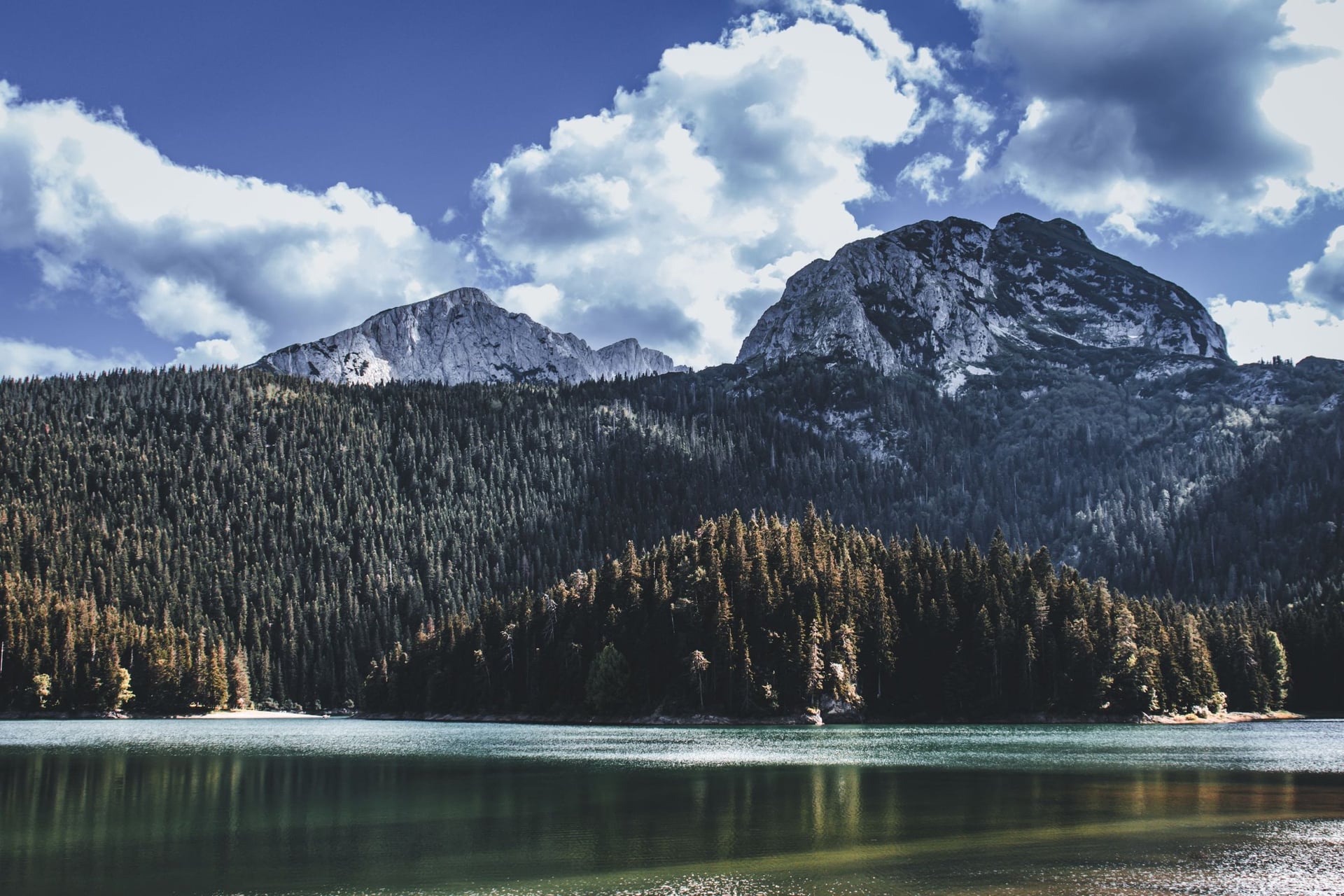
Distance: 76 km loop, ~1,700 m of climbing
Route: Žabljak, the Sedlo pass, Dobri Do, back to Žabljak
Surface: paved and narrow
Difficulty: hard, 8% either side of Sedlo
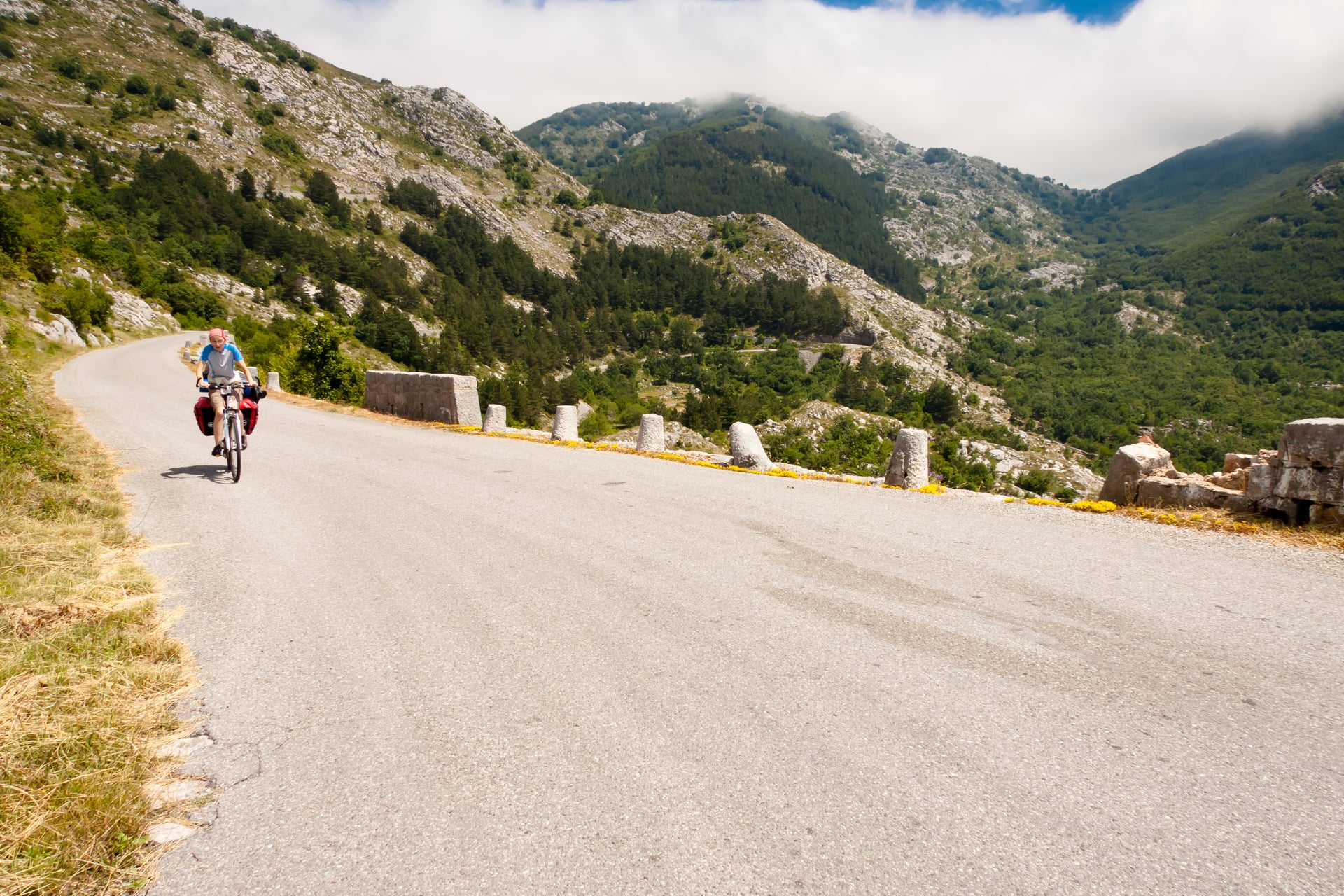
Žabljak stands at 1,450 m, and the official Durmitor Ring loops 76 km round the massif, signposted both ways. It climbs at 8% to the Sedlo pass at 1,895 m, then drops into the Dobri Do cirque. No route in this guide goes higher.
Durmitor became a national park in 1952 and a UNESCO site in 1980. Its Tara canyon is up to 1,300 m deep, and the Ćurevac viewpoint near the start looks straight into it. East of Žabljak, the 1940 Đurđevića Tara bridge stands 172 m above the river.
7. Lake Ohrid, Lake Prespa and the Galičica Pass
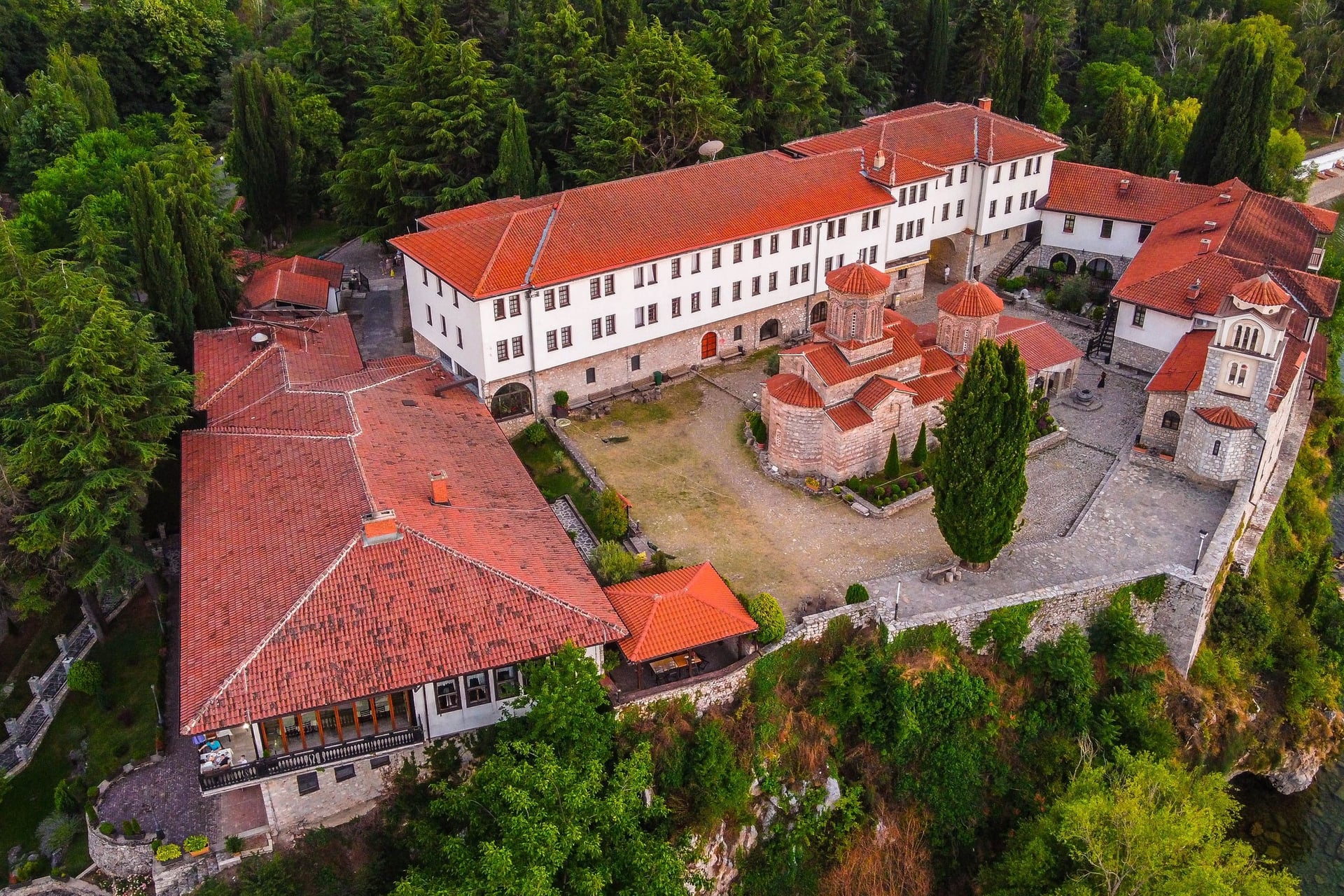
Distance: ~100 km round Lake Ohrid
Route: Ohrid, Sveti Naum, Pogradec, Qafë Thanë, Struga
Surface: paved
Difficulty: moderate; Galičica climbs about 800 m in 20 km
Our tour: entry 3 rides Struga to Pogradec on day 2
Lake Ohrid holds more than 200 endemic species and is UNESCO-listed on both shores. The loop crosses at Sveti Naum and Qafë Thanë, so take a passport even on a day ride.
Galičica National Park fills the ridge between Ohrid and Prespa. Its pass road climbs from 693 m to over 1,500 m, and snow can close it from January to March.
8. Mavrovo National Park and the Radika Canyon
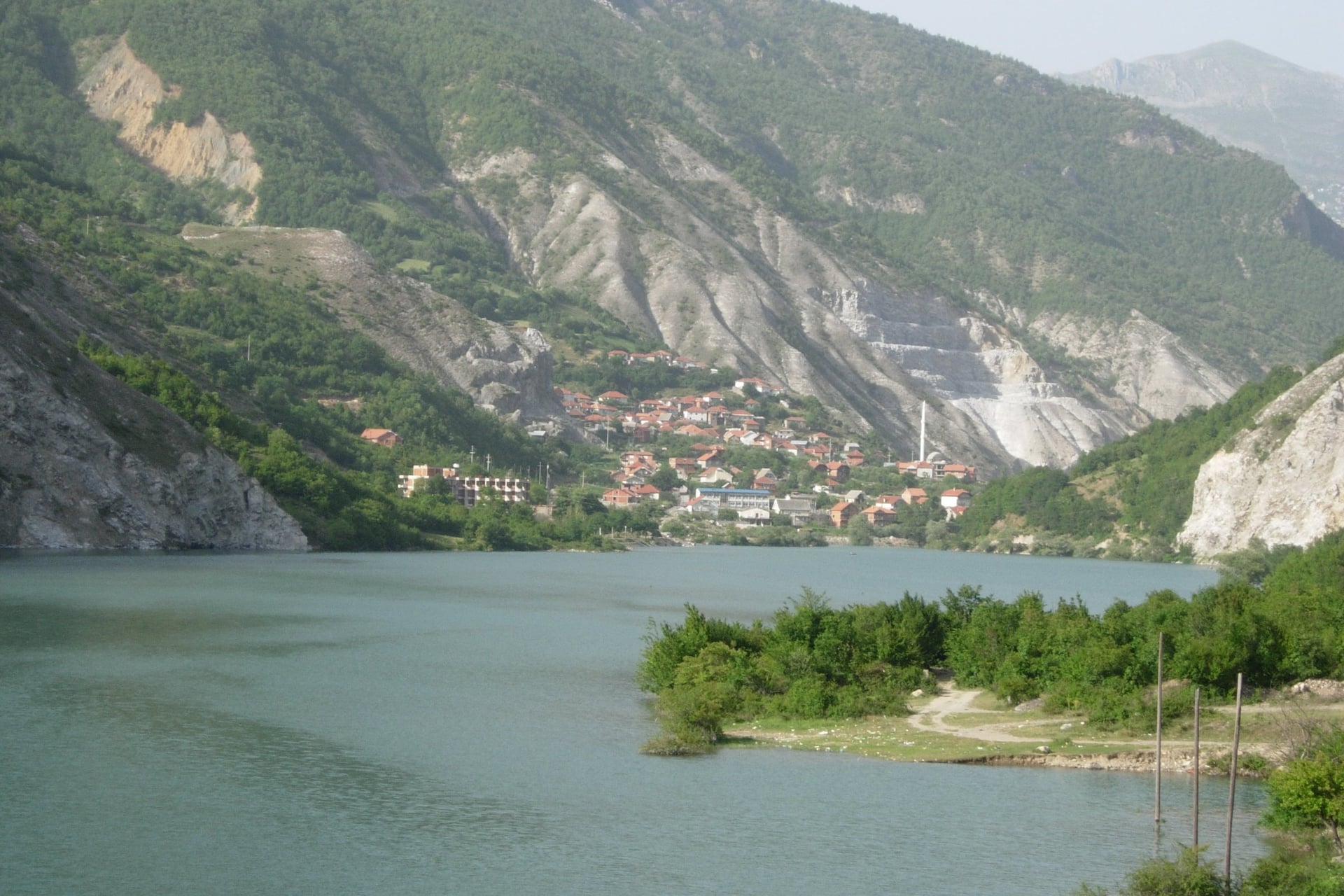
Distance: ~47 km, Mavrovi Anovi to Debar
Route: Lake Mavrovo, the Radika canyon, Debar
Surface: paved
Difficulty: a 6 km climb to ~1,220 m, then mostly downhill
North Macedonia's largest national park covers about 780 km² and dates from 1949. From the Gostivar road near Novo Selo, a 6 km climb reaches Lake Mavrovo at about 1,220 m, and traffic stays light inside the park.
Beyond the lake the road follows the Radika gorge, over 25 km long between cliffs of more than 300 m. The Bigorski monastery, known for its carved iconostasis, stands near the road.
9. The Iron Gates on the Danube (EuroVelo 6)
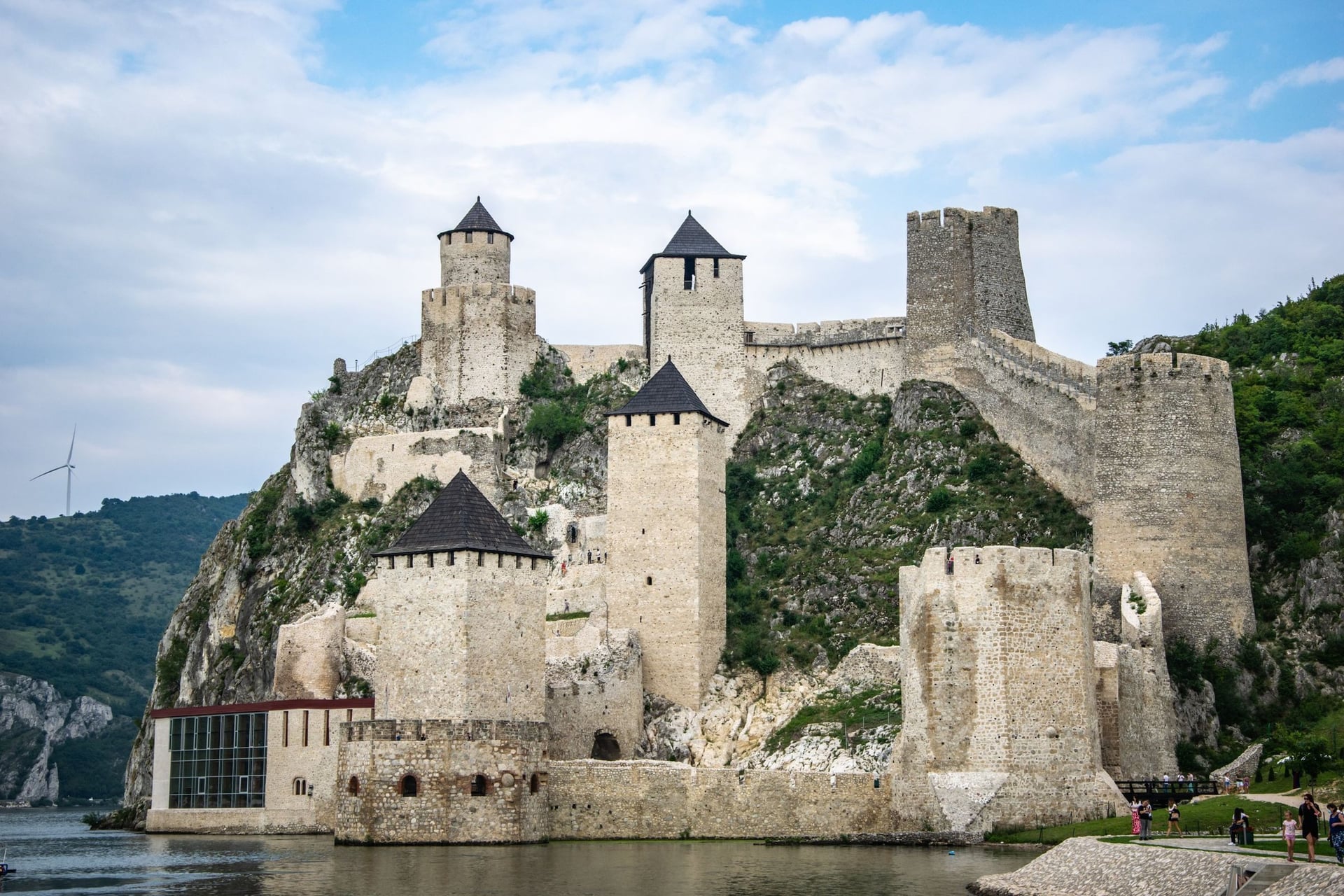
Distance: ~115 km, Golubac to Kladovo
Route: Golubac, Lepenski Vir, Donji Milanovac, Kladovo
Surface: paved
Difficulty: easy by comparison; it follows the river
Below Golubac the Danube enters the Iron Gates gorge, with Đerdap National Park on the Serbian bank. EuroVelo 6, 4,700 km in all, follows the river road to Kladovo past Lepenski Vir, the oldest planned settlement in Europe.
Out of Belgrade, the busy 1 km Pančevo bridge has no cycle lane. The Belgrade to Kladovo bus with bike racks no longer runs, so plan your return before you start.
10. The Parenzana: Trieste to Poreč on a Rail Trail
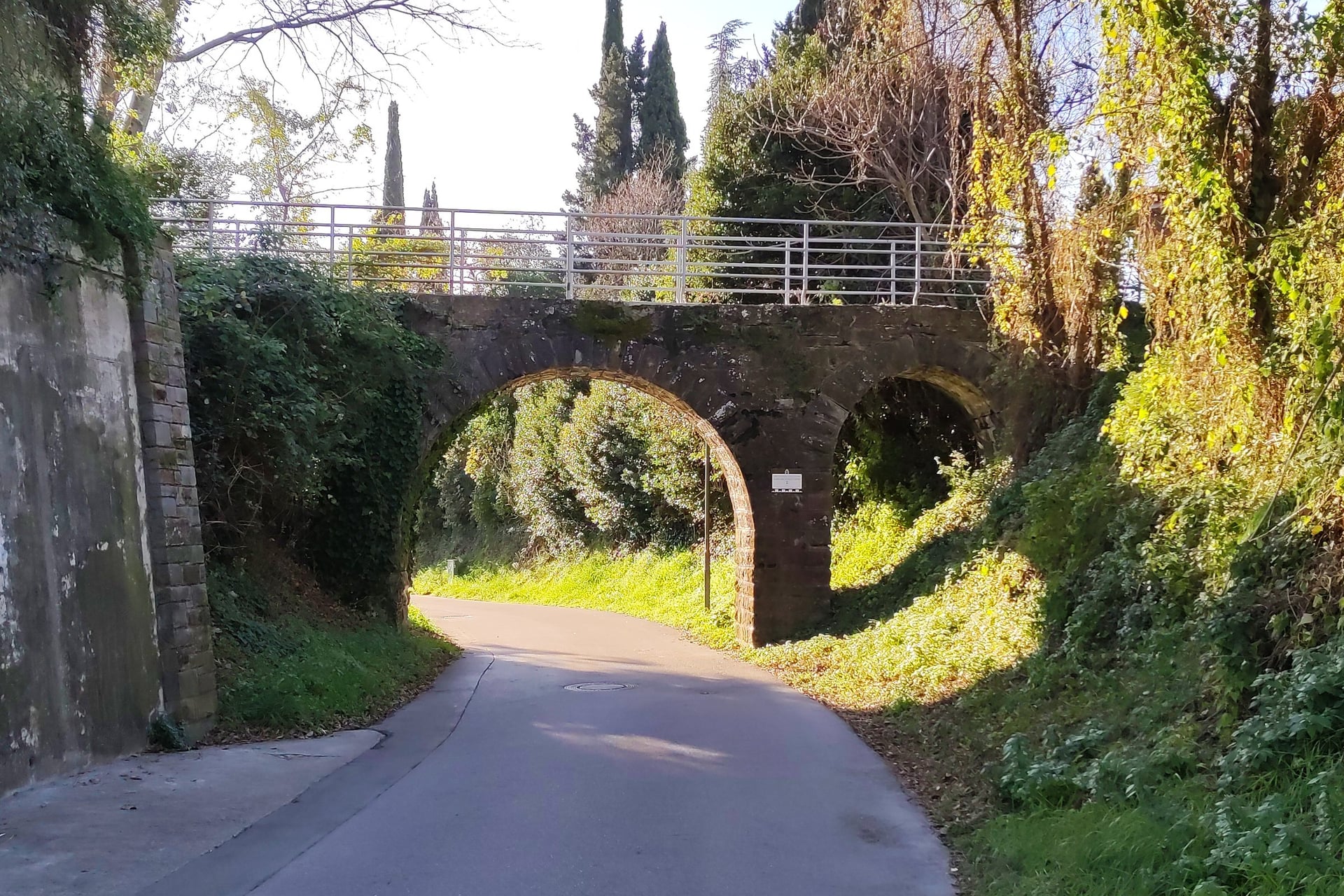
Distance: 123 km: 13 in Italy, 32 in Slovenia, 78 in Croatia
Route: Trieste, Koper, Portorož, Buje, Grožnjan, Motovun, Poreč
Surface: gravel and asphalt
Difficulty: easy to moderate, high point 293 m
The Parenzana was a 760 mm narrow-gauge railway linking 33 Istrian settlements from 1902 to 1935. Its 9 tunnels and 6 viaducts survive, and some Croatian tunnels are now lit.
From Portorož the trail climbs to 293 m near Grožnjan, drops to Livade at 13 m and climbs again past Motovun. The Parenzana trail ends in Poreč, three countries from Trieste.
Is It Safe to Cycle in the Balkans?
Most traffic runs on a few main roads, and the routes above stay off the worst of them: the coast road out of Dubrovnik, the Morača gorge and the Pristina to Skopje highway. On our Trans Dinarica tour, traffic only builds near Lezhë.
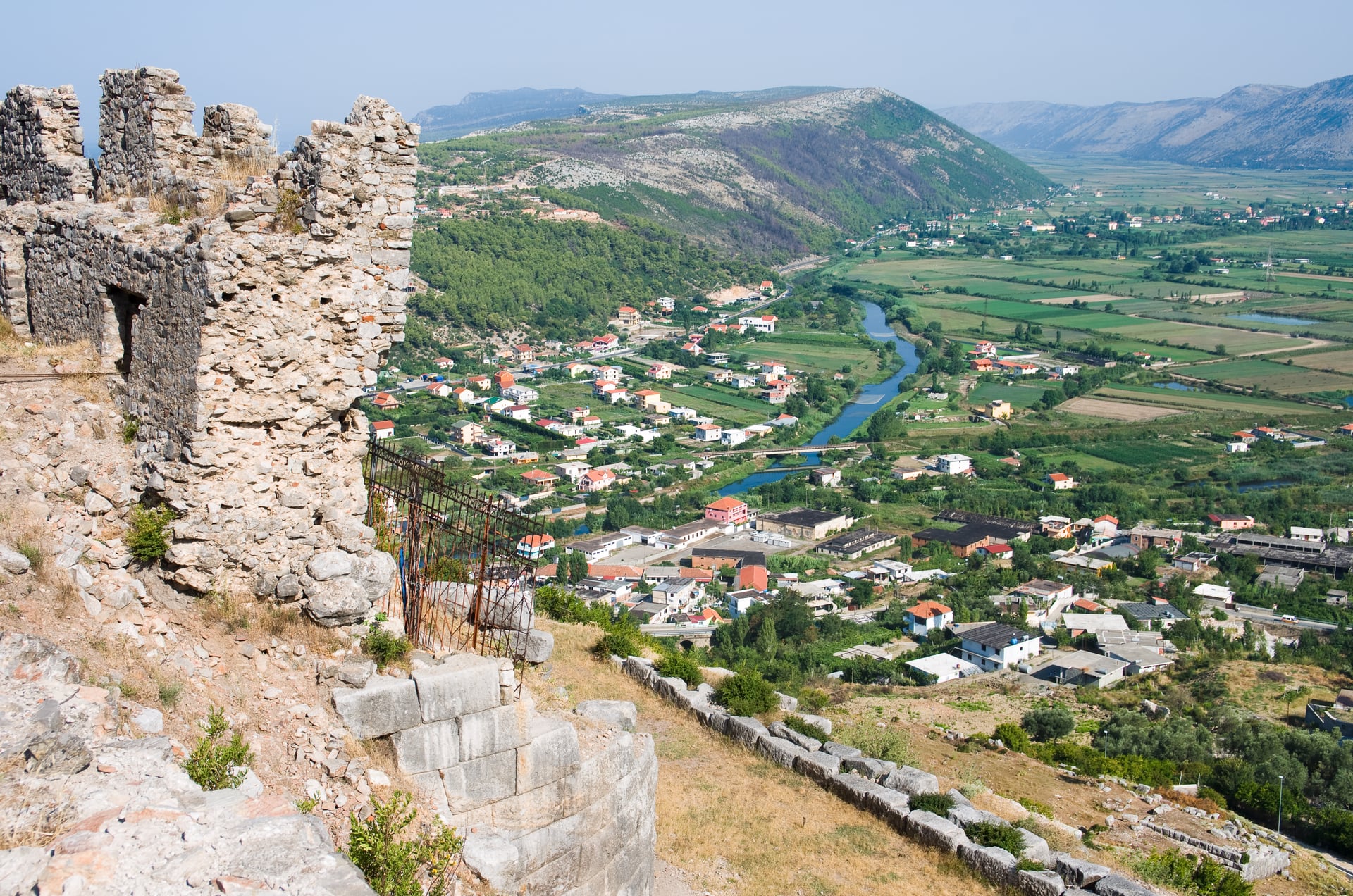
Tunnels are the second hazard. The Piva canyon road west of Durmitor has about 50 unlit tunnels, so carry front and rear lights. Our UNESCO tour rides the old Llogara pass, not the new 6 km tunnel.
Loose dogs are common in rural areas, though many are farm guard dogs that stay by their gate. Most others lose interest if you slow down or walk. Ask a travel clinic about rabies vaccination.
Best Time for Cycling in the Balkans
May, June and September are the best months for most routes. In July, average highs reach 34°C in Podgorica and 33°C in Mostar but only 21°C in Žabljak, so ride the valleys in spring and autumn.
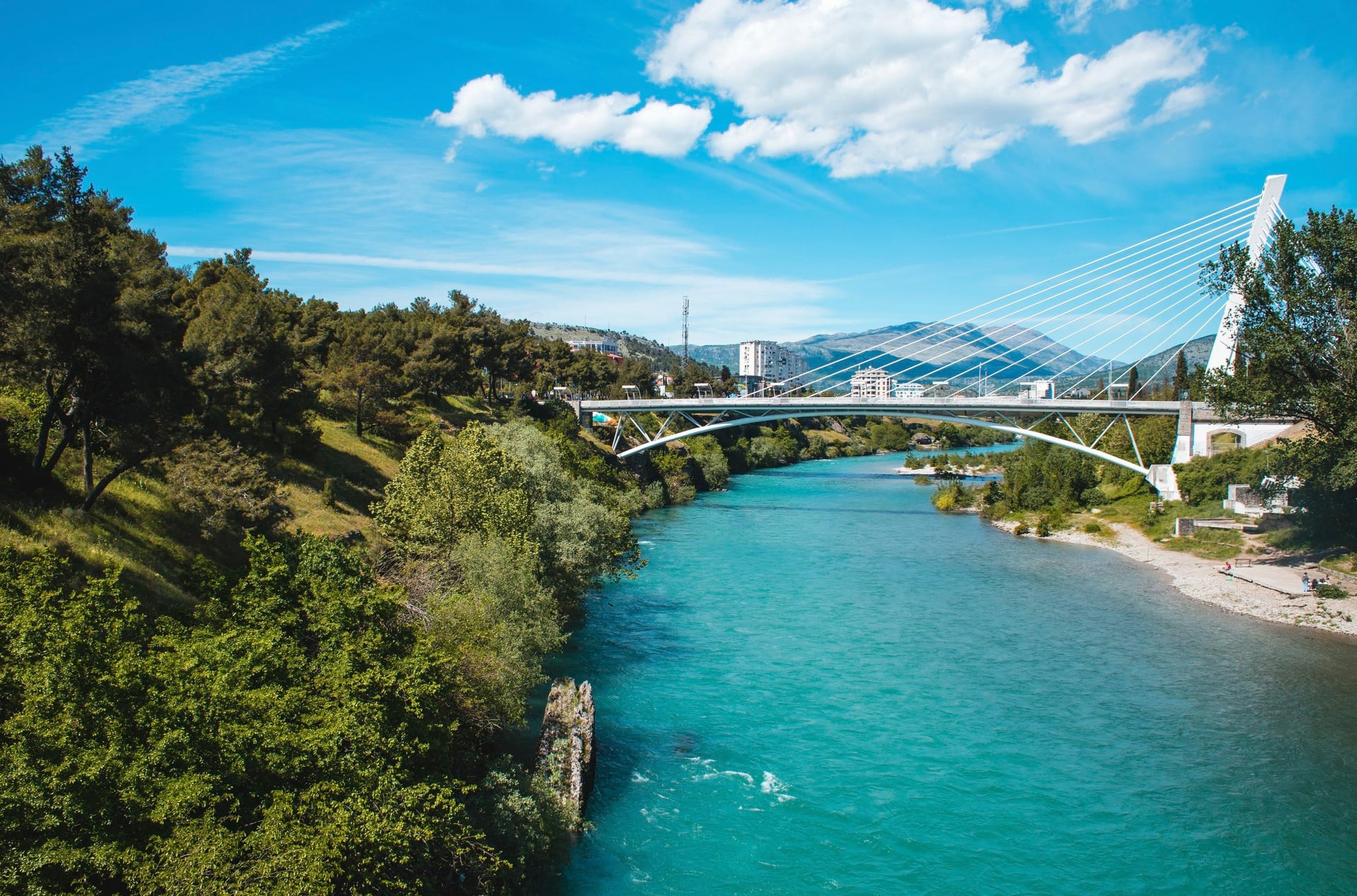
The high roads keep their own calendar. Snow can close the Galičica pass from January to March, and Žabljak averages 9.7°C in April, so Durmitor is a summer ride.
Our tours run from April, when Dubrovnik averages highs of 17°C, to October, when it averages 21°C and about 11 rain days.
How to Get There: Airports, Ferries and Borders With a Bike
Dubrovnik airport, 15.5 km from the city, serves entry 1, and Podgorica, where it ends, has its own. Our Albanian tours include transfers from Tirana. Ohrid airport suits entries 7 and 8, Belgrade the Iron Gates and Trieste the Parenzana.
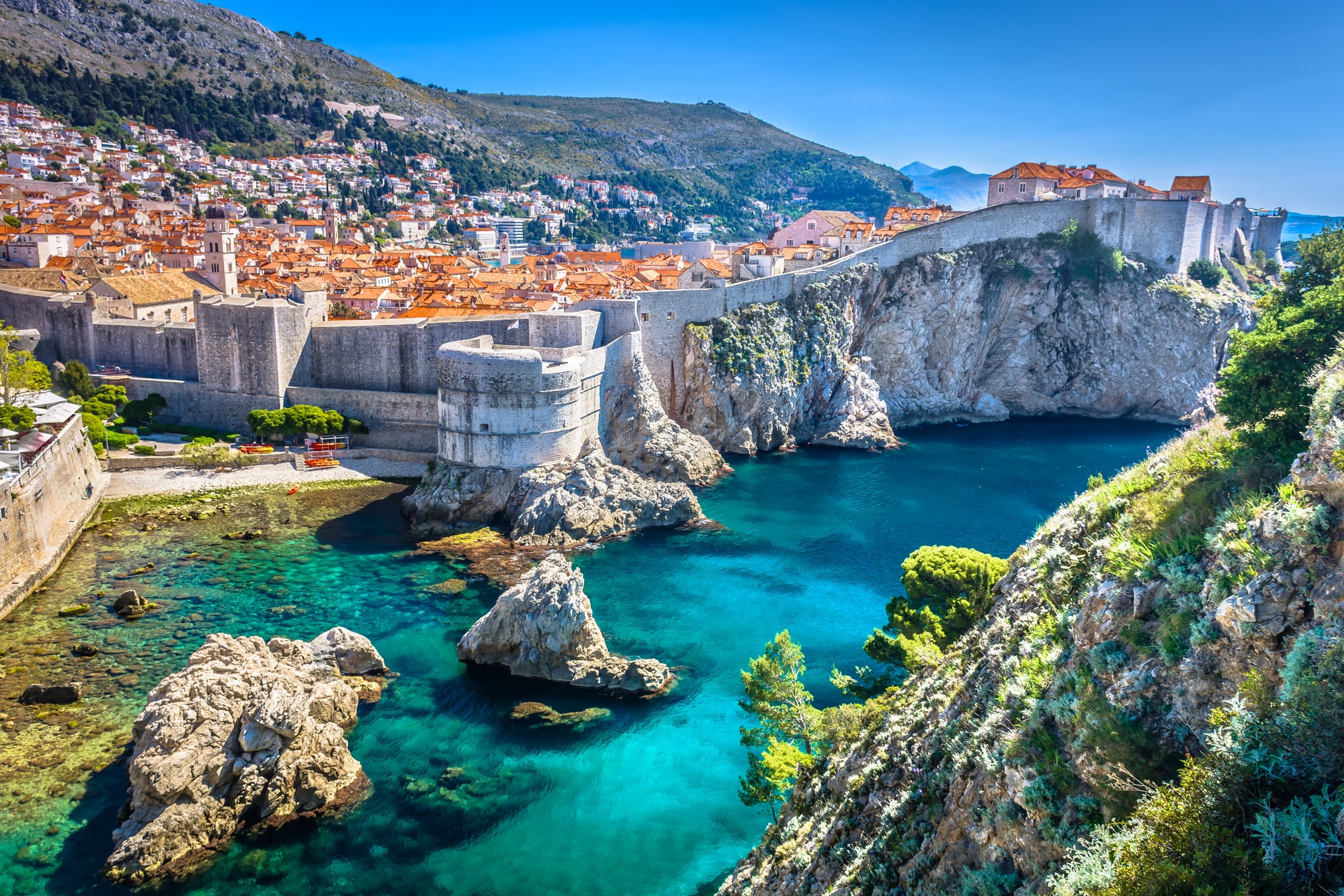
Carry your passport on the bike, as most routes cross a border. Since 10 April 2026, Croatia's Schengen border takes fingerprints and a photo from non-EU visitors under the Entry/Exit System. ETIAS is not yet in force.
UK visitors need no visa for up to 90 days anywhere here; US visitors should check each country. Get a stamp entering and leaving Bosnia and Herzegovina. From Kosovo, the UK travel advice says to reach Serbia via a third country.
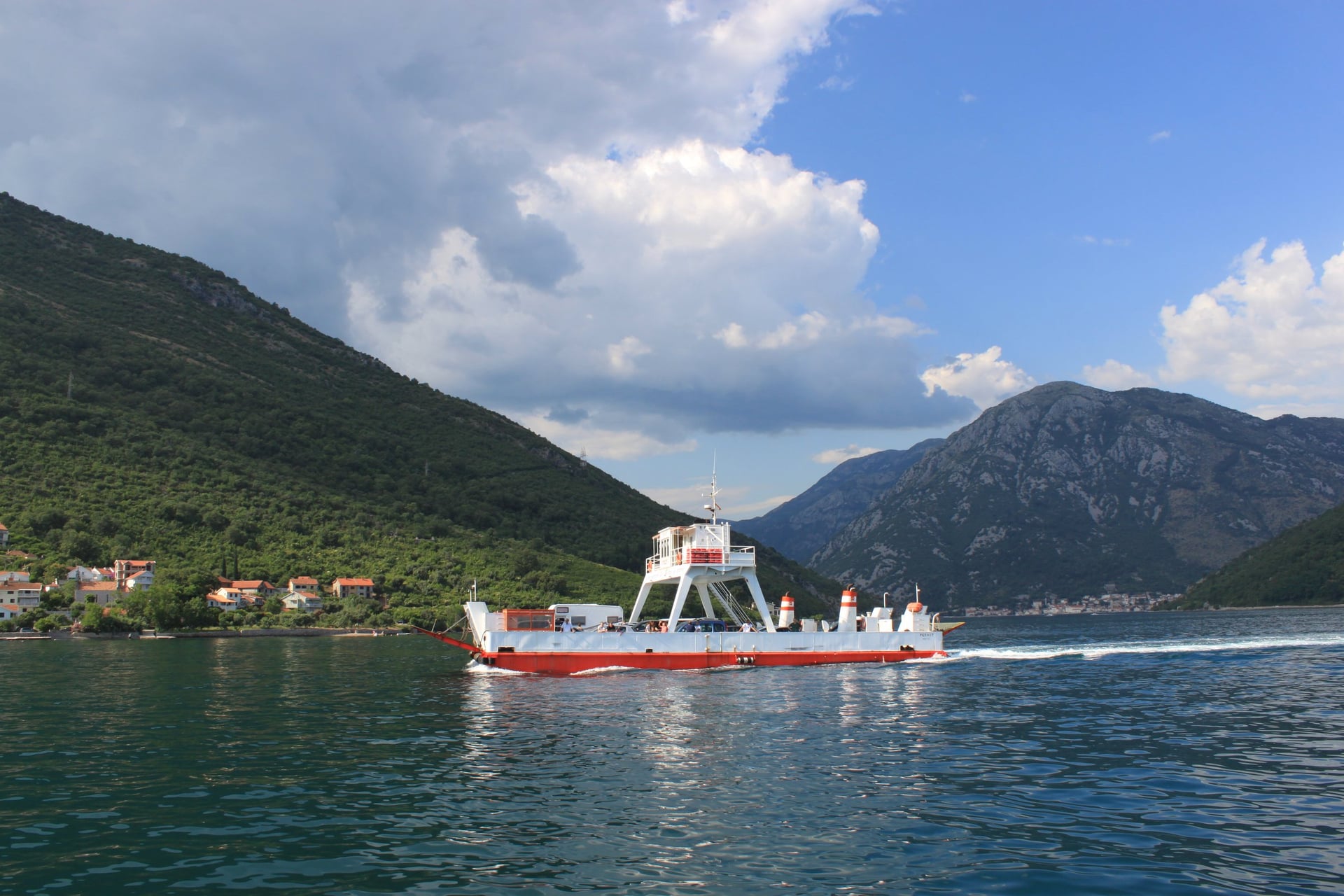
Jadrolinija ferries from Bari to Dubrovnik carry bicycles, and ferries also run from Bari to Durrës. In the Bay of Kotor, the Kamenari to Lepetane ferry across the Verige strait carries cyclists free.
How Much It Costs
Our tours include 3-star hotels with breakfast, luggage transfers, the guidebook and the GPS app, plus a driver on the Albanian two. Single rooms and the tourist tax are extra.
You will use five currencies: the euro in Croatia, Montenegro and Kosovo, plus the lek, mark, denar and dinar. Cash matters in rural Albania, where cards are not widely accepted. Riders find Croatia the dearest and Albania the cheapest.
Bike hire on our tours costs 240 to 480 euros a person, and an e-bike costs the same as a road or gravel bike. Durmitor National Park charges adults 5 euros from June to September, and Lovćen adds a separate mausoleum ticket.
What to Pack
A road bike with 28 mm or wider tyres suits the paved routes, and a gravel bike suits the Ćiro Trail and the Parenzana. Bring lights for unlit tunnels, and spare tubes, because bike shops thin out between towns.
Pack a windproof for the descents from Sedlo at 1,895 m and Lovćen at 1,657 m, where it can be 10°C cooler than the coast.
Ready to Ride the Balkans?
The 9-day Dubrovnik to Podgorica tour suits a first trip, the 6-day Trans Dinarica tour is a supported taster, and the 10-day UNESCO tour is the big mountain week. Dates and prices are on our tours page. Send an inquiry and the team will match you to one.
Frequently Asked Questions



Plan with a cycling expert
Free advice from a team that knows these routes inside out - real people, not a bot

Hassle-Free
We take care of route planning, accommodations, luggage transfers, and all logistics, so you can focus purely on enjoying your ride.

Tried & Tested Adventures
Our cycling routes are hand-picked & tested, to ensure breathtaking landscapes, smooth roads, and maximum safety - giving you the perfect ride every day.

Unbeatable Support
Our 24/7 customer support is where we show our passion, ensuring your cycling holiday runs smoothly and your well-being is always our top priority.

Book with Confidence
We are a financially protected company, fully bonded and insured, keeping your money safe and allowing you to travel with confidence.